How Supermarkets Use Weekly Specials to Get You Spending More (And How to Beat Them)
Supermarket specials feel like a gift — but they're a carefully engineered system designed to increase your spend. Understanding the playbook helps you use it to your advantage.
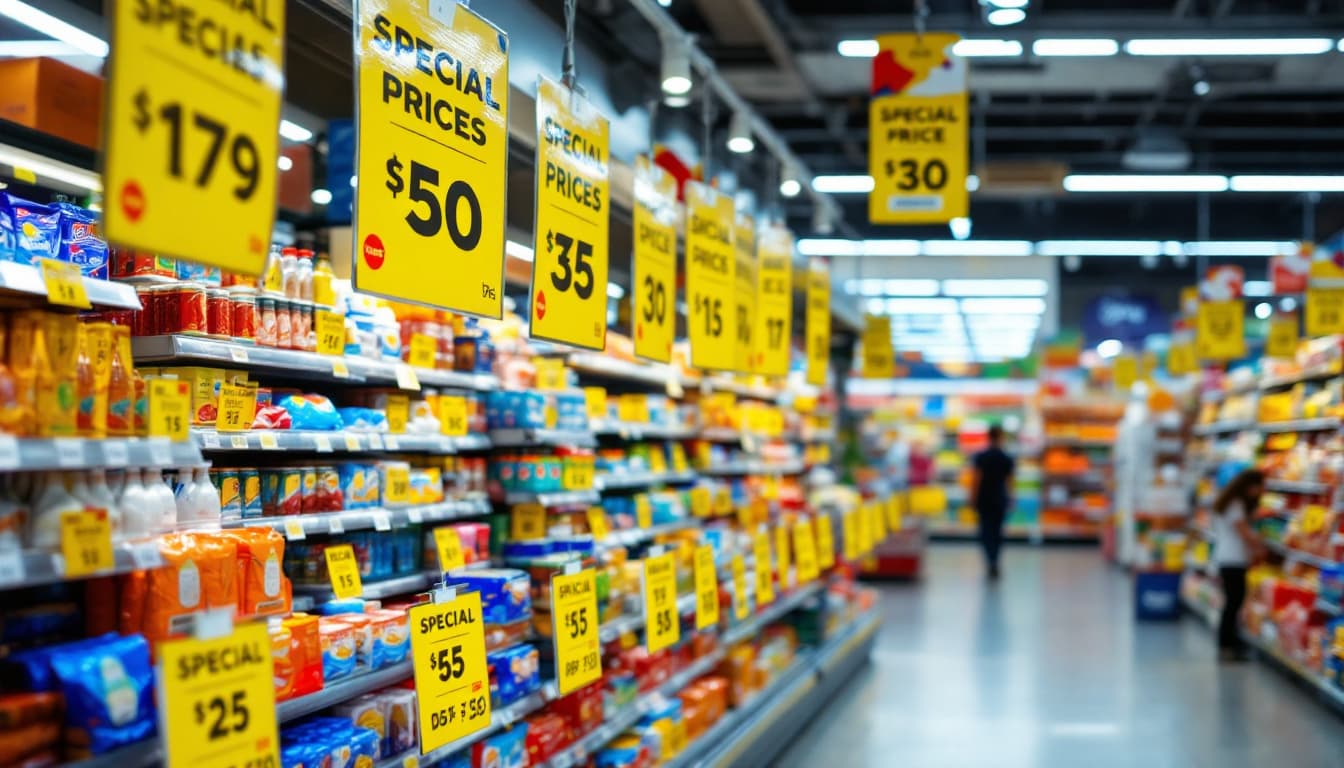
Every Wednesday, the new Woolworths and Coles catalogues drop. Millions of households check them. But the deals you see aren't random — they're the result of sophisticated category management strategies designed to drive basket size and brand loyalty.
Understanding what supermarkets are doing with specials doesn't mean you can't benefit from them. It means you can use them strategically instead of reactively.
The Loss Leader: Specials Designed to Get You Through the Door
A loss leader is a product sold at or below cost to attract shoppers. The classic example is a deeply discounted chicken or mince — priced to get you into the store, knowing you'll buy $80 worth of other things while you're there.
How to use this to your advantage: Identify the genuine loss leaders (usually the headline specials — "Whole chicken $6"), buy them in bulk if you have freezer space, and stick to your list for the rest of the shop. Don't let the loss leader become an invitation to browse.
"Was/Now" Pricing: The Anchoring Trick
"Was $4.50, now $3.00" feels like a saving. But the "was" price is often the recommended retail price — not the price the item was actually sold at recently. Some products bounce between a high "was" price and a lower "now" price on rotation.
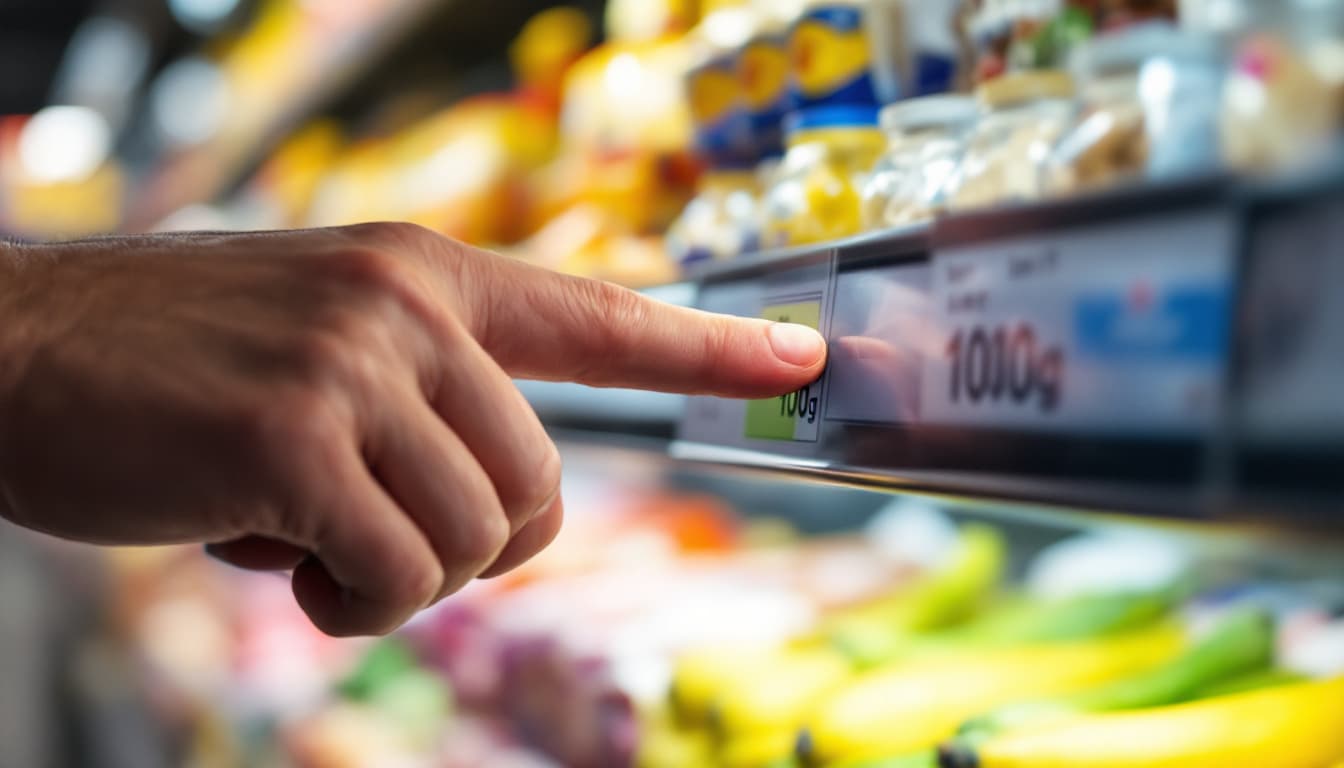
What to do: Track your commonly bought items over a few weeks. Use the unit price (price per 100g or per litre) as your real comparison metric, not the percentage discount claimed.
Unit Pricing: The Number They Don't Want You to Look At
Australian law requires supermarkets to display unit pricing on shelf labels. The unit price is the cost per 100g, per litre, or per unit — making direct comparisons possible across different pack sizes.
The 1kg bag of rice might be $4.50 — but the 500g bag is $2.60. The unit price reveals the 500g is actually more expensive per gram, despite looking cheaper at the shelf.
Rule of thumb: Always buy the largest pack size of a GST-free staple, provided you'll use it before it expires. Unit pricing almost always favours larger quantities.
"Catalogue Surfing": Using the System Correctly
Catalogue surfing means checking both Woolworths and Coles specials each week and buying each product from whichever chain has it cheaper. It requires splitting your shop — which takes more time — but for motivated households, the savings are meaningful.
Practical catalogue surfing:
- Write your weekly list
- Check both catalogues (apps or websites)
- Assign each item to the chain with the better price that week
- Do one small top-up shop at the cheaper chain for those items
This works best for 5–10 items that you buy every week regardless. On those staples, savings of $5–$15 per week are achievable.
Multibuys: Only a Deal If You Were Already Buying Two
"2 for $7" when the individual price is $4 is not a saving — it's a $1 saving that requires you to buy something you may not have planned to buy. Multibuys are one of the most effective tools supermarkets use to inflate basket size.
The test: Would you have bought two anyway? If yes, it's a genuine deal. If no, the "saving" is actually a spend.

Half Price Sales: The Best Genuine Opportunity
Genuinely half-price items (especially on shelf-stable GST-free products) represent real value. When olive oil, canned tomatoes, rice, or pasta is half price, buy as much as you can reasonably store. These items have long shelf lives and you'll use them regardless.
The key: only stock up on half-price items you'd buy at full price anyway. Never buy something half-price that you wouldn't buy at full price.
Building a Specials Strategy
- Know your baseline: track the regular unit prices of your 15 most commonly bought items
- Only buy on special if the unit price beats your baseline
- Never buy something just because it's on special
- Stock up aggressively on half-price shelf-stable GST-free staples
- Ignore "was/now" framing — use unit prices only
The supermarket wants you to feel like you're winning when you buy specials. You can actually win — but it requires a system, not just good intentions.
Get more tips like this
Join thousands of Australians saving money at the supermarket every week.
Free. No spam. Unsubscribe anytime.