ALDI vs Woolworths vs Coles: We Compared a $150 Family Basket
We filled the same basket at all three major supermarkets and compared the total. The results confirm what most shoppers suspect — but the details reveal some surprises.
The question every Australian household asks at some point: is it worth the extra trip to ALDI? The chains market themselves very differently — ALDI on price and simplicity, Woolworths on freshness and convenience, Coles on quality and value. We built a typical family-of-four weekly basket and priced it across all three.
The Test Basket
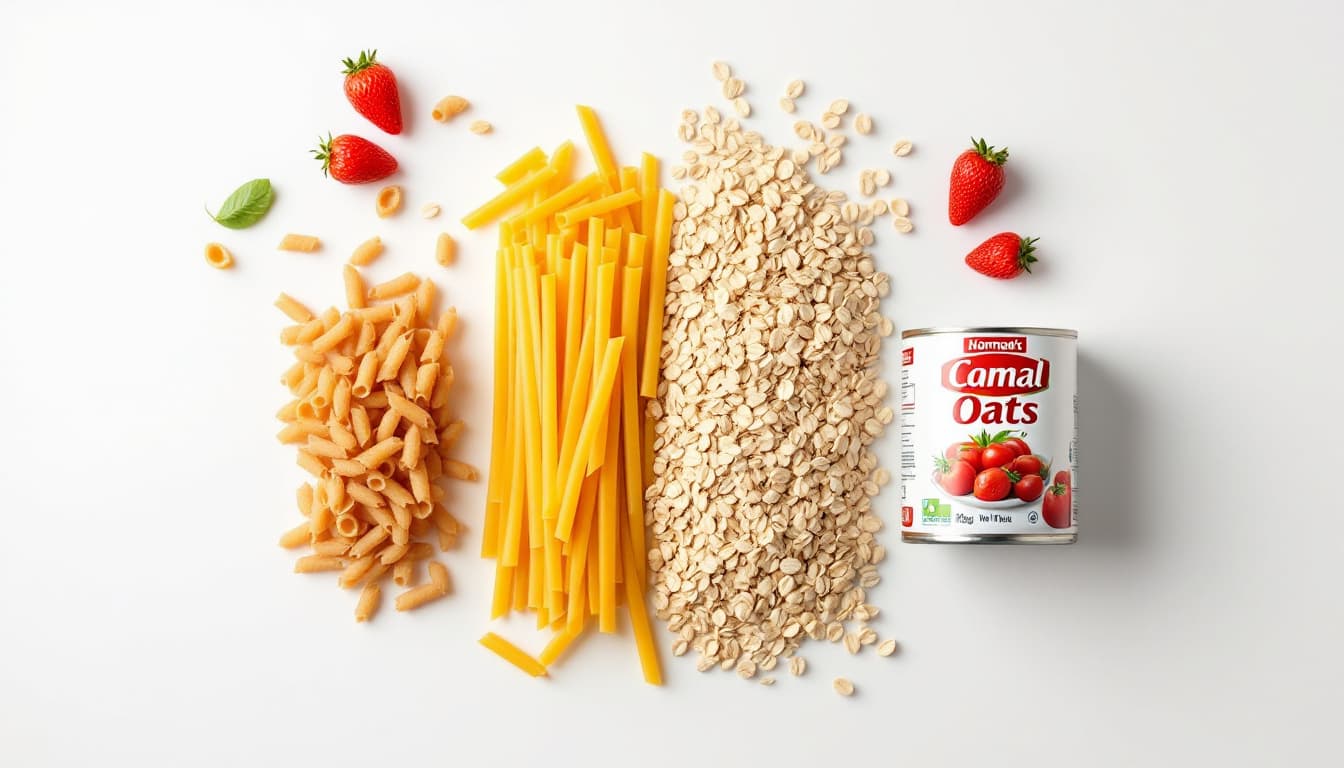
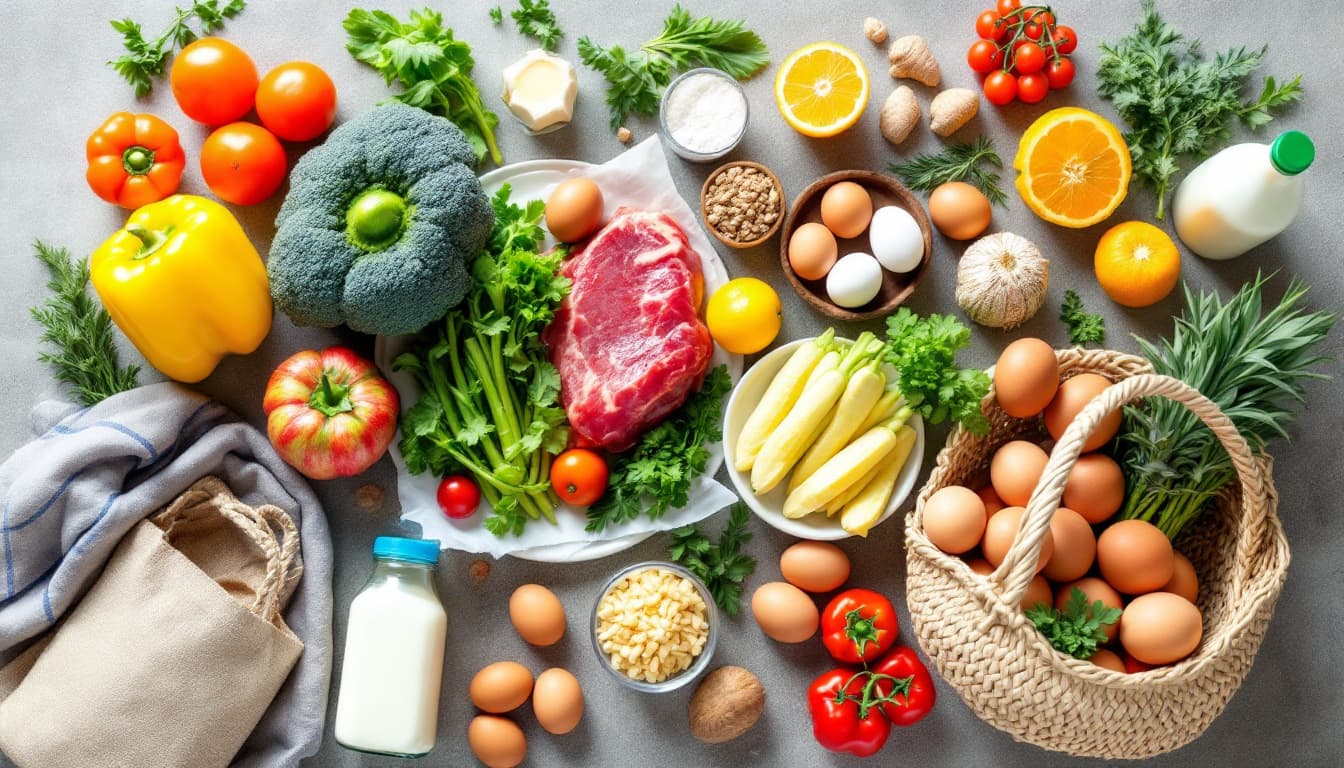
We used a standardised basket of 25 common weekly items — predominantly GST-free staples:
- 1kg beef mince
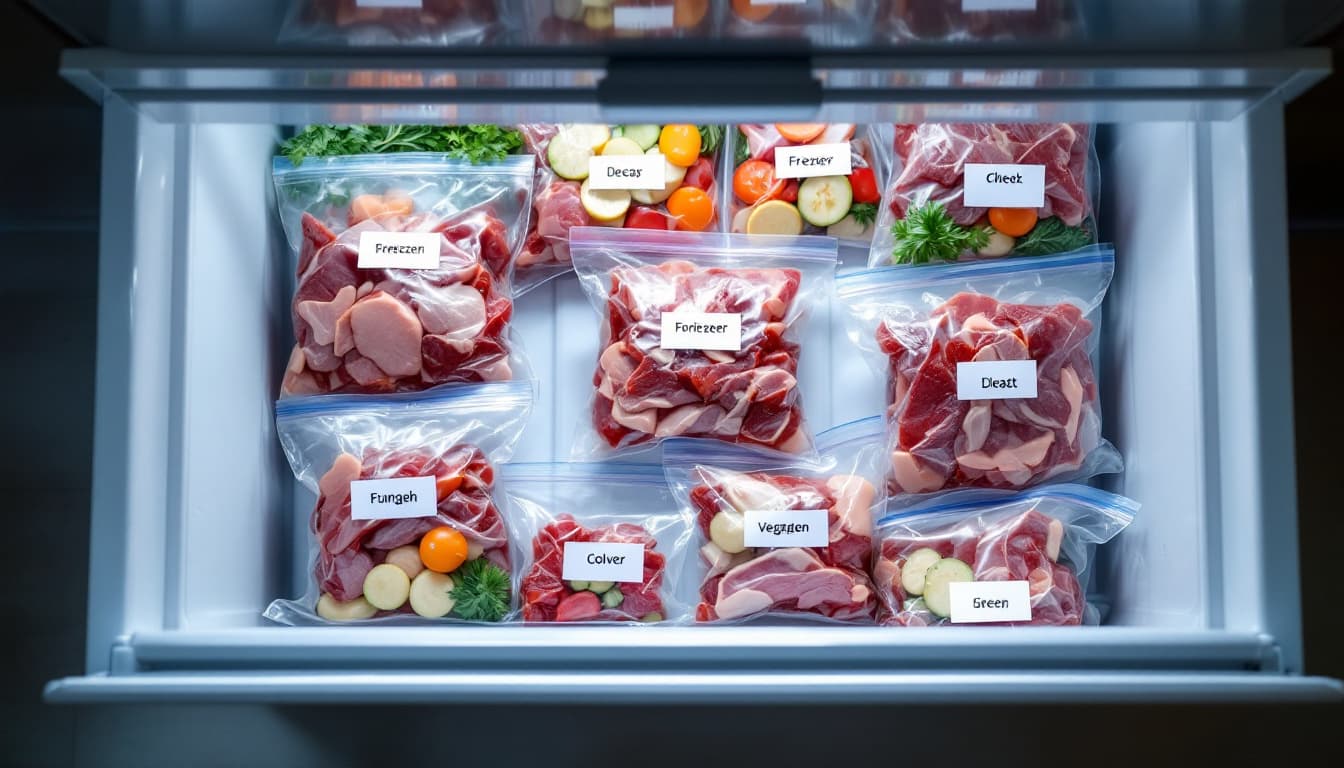
- 1.5kg chicken thighs
- Dozen eggs
- 500g butter
- 2L full-cream milk
- 400g pasta (x2)
- 800g canned tomatoes (x2)
- 1kg carrots
- 1 head broccoli
- 500g baby spinach
- 1kg potatoes
- 3 brown onions
- 4 garlic bulbs
- Loaf of multigrain bread
- 1kg rolled oats
- 400g tinned chickpeas (x2)
- 1L olive oil
- 500g frozen peas
- 2 zucchini
- 200g cheddar cheese
All items selected were the mid-tier or standard option at each chain (not budget range, not premium).
The Results
| Item Category | ALDI | Woolworths | Coles |
|---|---|---|---|
| Meat and protein | $18.40 | $24.50 | $23.80 |
| Dairy and eggs | $12.20 | $14.90 | $14.50 |
| Fresh produce | $14.80 | $17.20 | $16.40 |
| Pantry staples | $19.30 | $26.80 | $25.40 |
| Bread | $2.99 | $3.70 | $3.60 |
| Total | $67.69 | $87.10 | $83.70 |
ALDI came in 22% cheaper than Woolworths and 19% cheaper than Coles on this basket.
The Nuances
ALDI wins decisively on staples. Rolled oats, pasta, canned tomatoes, olive oil — the home brand equivalents at ALDI are priced well below both Woolworths and Coles, and the quality is comparable.
Meat pricing is where the gap is widest. ALDI's beef mince and chicken thighs were $6+ cheaper on this basket than the equivalent at Woolworths. The quality was consistent.
Fresh produce is closer than expected. ALDI's produce section has expanded significantly in recent years, and on standard items (carrots, onions, potatoes, broccoli), the prices and quality are competitive.
Where ALDI Falls Short
Range limitations. ALDI doesn't stock everything. If you need a specific brand, a niche ingredient, or a wide variety of any category, ALDI will frustrate you. The supermarket works best for household staples — which is most of the budget basket.
No loyalty program. There's no equivalent to Everyday Rewards or Flybuys at ALDI. The savings are baked into the price, not accumulated over time.
Availability is inconsistent. ALDI's "Specialbuys" (non-food items in the middle aisle) are popular but their grocery range occasionally has gaps — items go out of stock and aren't always replenished quickly.
Location coverage. ALDI now has over 600 stores in Australia, but coverage outside metro areas is still limited. If ALDI isn't convenient, the savings don't help.

The Hybrid Strategy: Most Households' Best Option
The data suggests the optimal strategy for most families isn't picking one chain — it's using each for what it does best:
ALDI: Pantry staples (oats, pasta, canned goods, olive oil, butter), meat when available, frozen vegetables
Woolworths or Coles: Anything not available at ALDI, member-priced items, reward offer purchases, specialty produce
Split shopping estimate: Buying 60% of your basket at ALDI and 40% at Woolworths or Coles typically saves 12–18% versus doing your full shop at one of the big two.
On a $150 weekly basket, that's $18–$27 per week, or $936–$1,400 per year.
The Verdict
ALDI is genuinely cheaper — not marginally, but meaningfully. For a household that shops regularly for staples, the savings are real and compound over time.
The main barrier is habit and convenience. If your nearest ALDI is out of the way, the savings need to justify the trip time. For most metro families, they do.
Get more tips like this
Join thousands of Australians saving money at the supermarket every week.
Free. No spam. Unsubscribe anytime.