How to Read Your Supermarket Receipt and Spot What You're Overpaying For
Most people glance at the total and put the receipt in their pocket. A closer look reveals patterns — items you're consistently overpaying for, GST you could be avoiding, and prices that don't match what you expected.
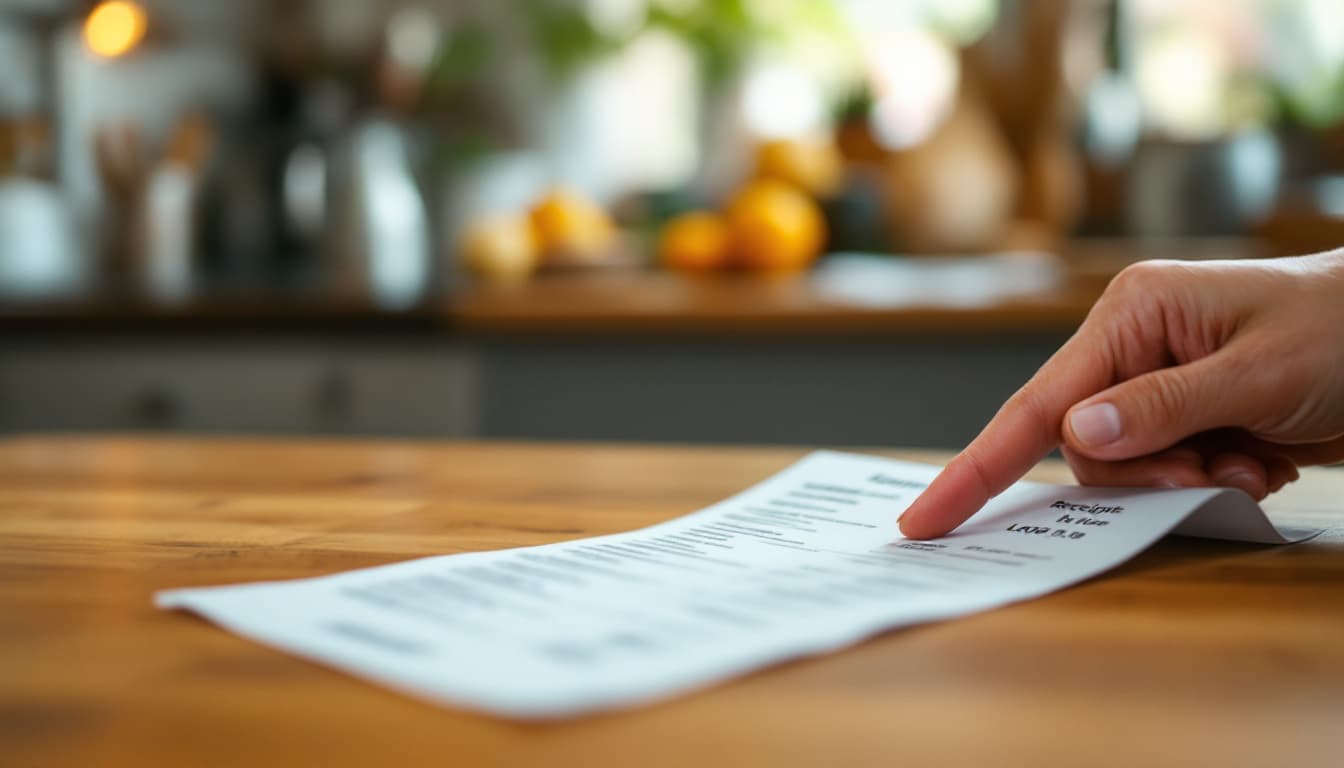
The supermarket receipt is a complete record of every decision you made during that shop. Most of us ignore it beyond the total. But a receipt analysed systematically tells you exactly where your grocery money is going — and where it's leaking.
Reading the GST Section
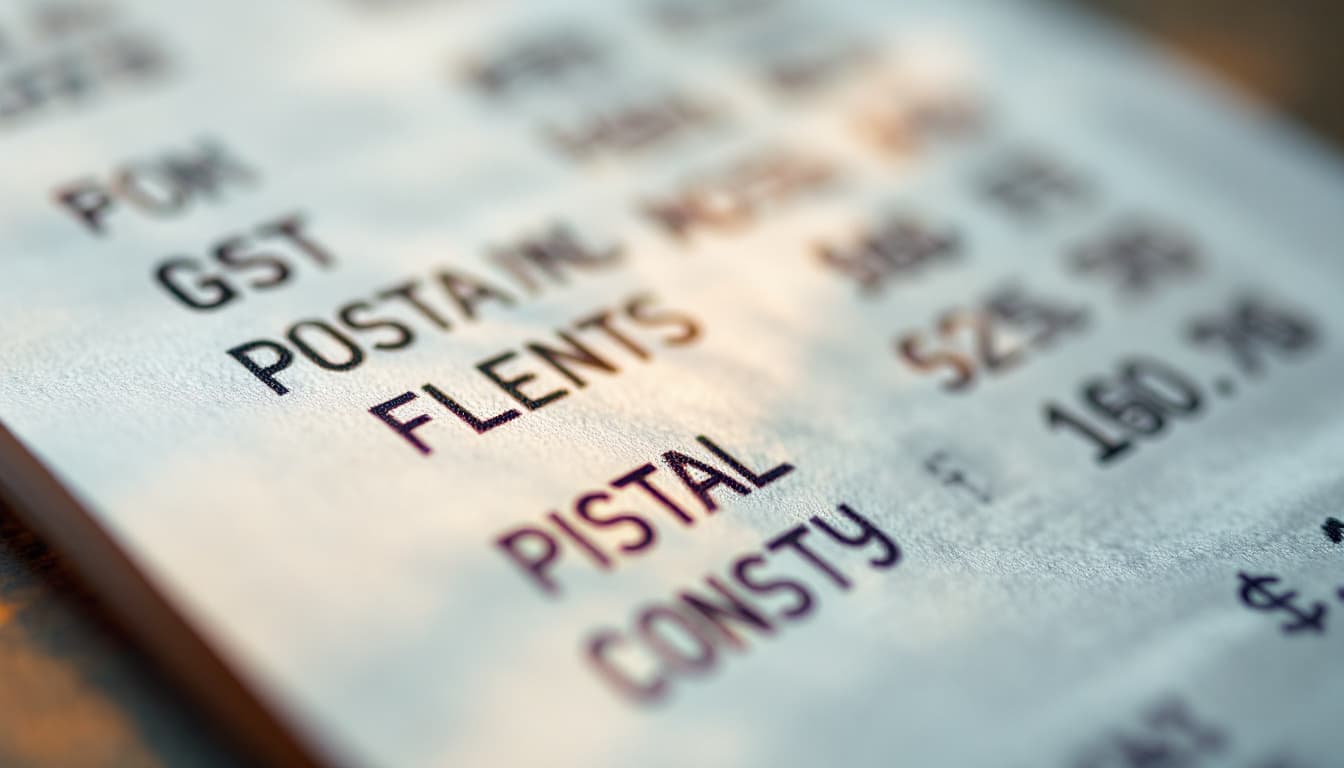
Australian supermarket receipts are required to separate GST-clearly. Look for a section at the bottom of your receipt — it typically shows:
- Total GST paid
- Subtotal excluding GST
- Subtotal including GST
The GST total might surprise you. On a typical $150 shop, many households pay $10–$20 in GST without realising it. That's money that would stay in your pocket if those taxable items were replaced with GST-free alternatives.
What GST on Your Receipt Actually Means
Every item on your receipt is either:
- GST-free (fresh food, basic ingredients)
- Taxable at 10% (processed food, snacks, beverages, confectionery)
Some receipts mark taxable items with an asterisk (*) or a "T" indicator. Others don't distinguish item by item — you only see the total GST at the bottom.
To find which items contributed GST, you need to either check the receipt carefully line by line or use a tool like GSTFree to verify status before you shop.
The Price Checking Habit
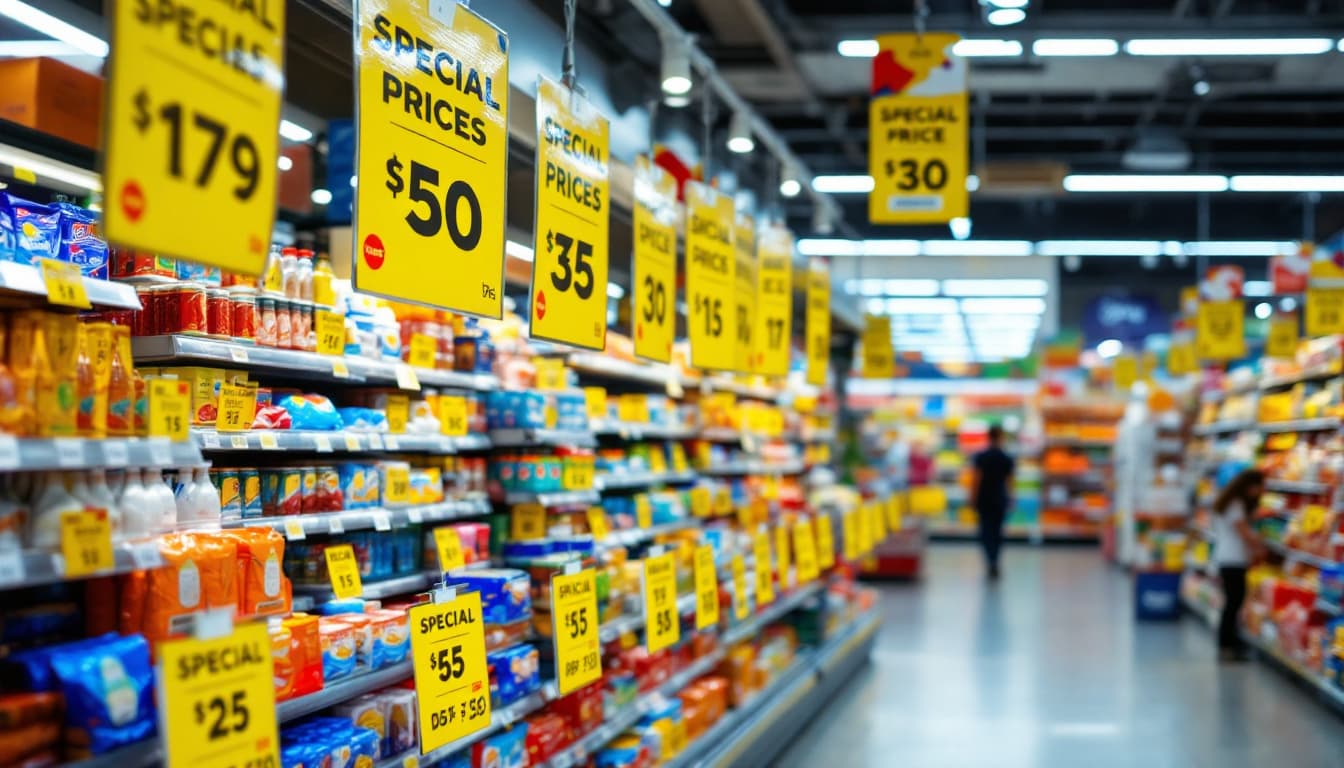
Supermarket pricing errors happen more often than you might expect. Shelf prices don't always match register prices — particularly on sale items where the discount hasn't been applied correctly.
The rule you should know: Under the ACCC Scanning Code of Practice, if a scanned price is higher than the shelf price, you're entitled to receive the first item free (for items under $50) and the rest at the correct lower price. Not all retailers are signatories, but Woolworths and Coles both are.
The habit: As items are scanned, glance at the screen. If something doesn't look right, query it immediately — before you've paid.
Identifying Your High-Cost Items
After your shop, scan down the receipt and circle the five most expensive individual items. Then ask:
- Was this on my list or an impulse buy?
- Was there a cheaper alternative I could have chosen?
- Did I check the unit price, or just grab it?
- Is this item GST-free or taxable?
Do this for three receipts in a row. Patterns emerge quickly. Most households find they're consistently overspending on two or three categories — often meat cuts, cheese, or convenience foods.
The Multipack and Impulse Purchase Audit
Look at your receipt for:
- Any multibuys (2-for-1, 3-for-$x) — did you actually need multiples?
- Any checkout lane items (chocolate, mints, magazines)
- Any items that weren't on your original list
These items are where supermarkets make disproportionate profit margins. A $3.50 chocolate bar at the checkout is a choice made under zero deliberation. If you see three of these on your receipt, that's $10+ of unplanned spend.
Using Receipts to Build a Price History
The most valuable receipt habit: keep your last four weeks of receipts and compare prices on your regular items over time. This reveals:
- Which items rotate between sale and full price (and how often)
- Whether "member prices" are actually lower than competitor pricing
- Which items you're buying at full price that you could plan to buy on sale
This sounds tedious. In practice, 10 minutes of receipt review per week pays for itself many times over.
The Practical Receipt Review
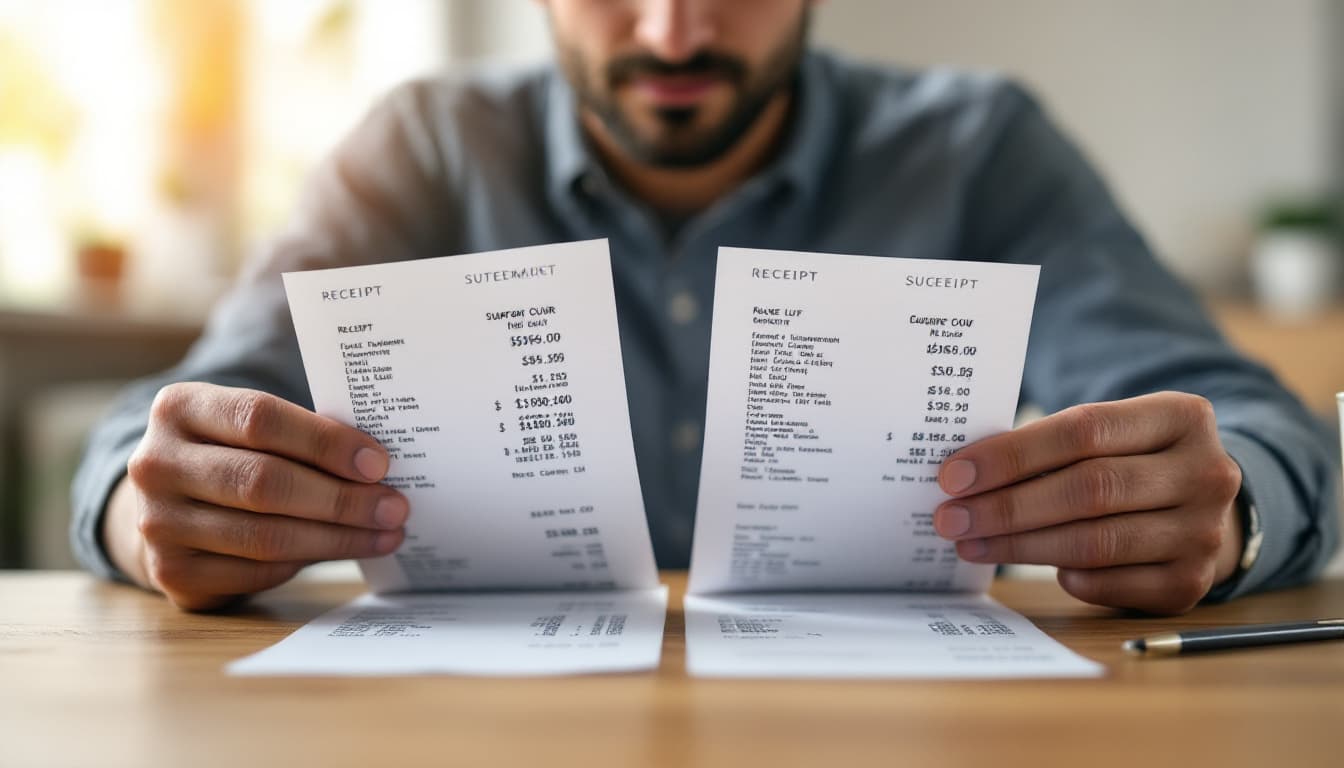
After each shop, do a 2-minute receipt check:
- Look at the total GST paid — is it going down over time?
- Check the five most expensive items — were they expected?
- Identify any impulse buys
- Note any pricing errors (check next week if so)
Over three months of this habit, most households identify $15–$30 per week in spending they're comfortable reducing. That's $780–$1,560 per year from a two-minute habit.
The receipt is the score at the end of the game. Use it to improve your next one.
Get more tips like this
Join thousands of Australians saving money at the supermarket every week.
Free. No spam. Unsubscribe anytime.