How to Build a $100/Week Meal Plan Using Mostly GST-Free Ingredients
Feeding a family of four on $100 a week is tough — but it's very doable when you build your meals around GST-free basics. Here's a complete framework to get you started.
A $100 weekly grocery budget for a family of four is ambitious but achievable — particularly when you understand where the money goes. GST-free foods (fresh produce, meat, eggs, dairy basics) tend to be cheaper per kilogram than processed alternatives, and they form the backbone of nutritious, filling meals.
This guide gives you the framework. Adjust quantities and specific items for your family's tastes.
The $100 Budget Split
A workable split for a family of four:
| Category | Budget |
|---|---|
| Fresh produce (fruit + veg) | $30 |
| Meat and protein | $30 |
| Dairy and eggs | $15 |
| Pantry staples | $15 |
| Bread and grains | $10 |
Every category above is dominated by GST-free items — which means more food for the dollar.
The Protein Strategy
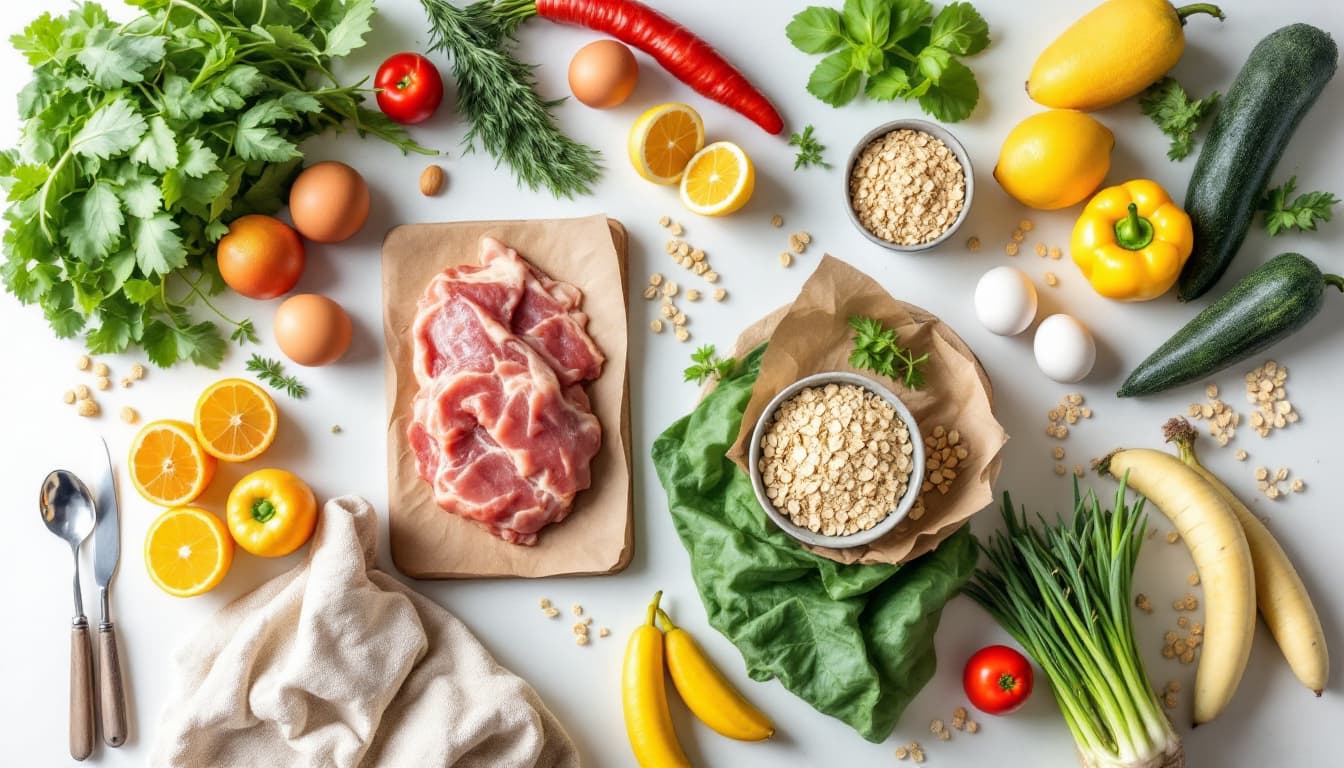
Protein is the most expensive part of any grocery basket. To stay on budget:
Stretch expensive cuts: A $15 chicken can become roast chicken Monday, chicken soup Tuesday, and chicken fried rice Wednesday. One purchase, three dinners.
Use cheaper cuts: Chicken thighs cost roughly half what breast does and are more forgiving to cook. Pork shoulder, beef mince, and lamb shoulder are all significantly cheaper than premium cuts.
Add eggs: At roughly $5 for a dozen, eggs are one of the best value proteins available — and fully GST-free. Two eggs per person is a filling, nutritious meal.
Legumes: Lentils, chickpeas, and kidney beans (dried or tinned) are GST-free, extremely cheap, and high in protein and fibre. Replacing one meat-based dinner per week with a legume-based meal saves $8–$12.
A Sample Week
Monday: Roast chicken with roasted vegetables and mash Tuesday: Chicken noodle soup (leftover chicken carcass + veg) Wednesday: Beef mince bolognese with pasta Thursday: Vegetable and lentil dhal with rice Friday: Baked salmon with sweet potato and broccolini Saturday: Homemade burgers with salad Sunday: Slow-cooked lamb with roasted vegetables
Most of these use predominantly GST-free ingredients. Browse our recipe section for step-by-step instructions on each.

The Produce Approach
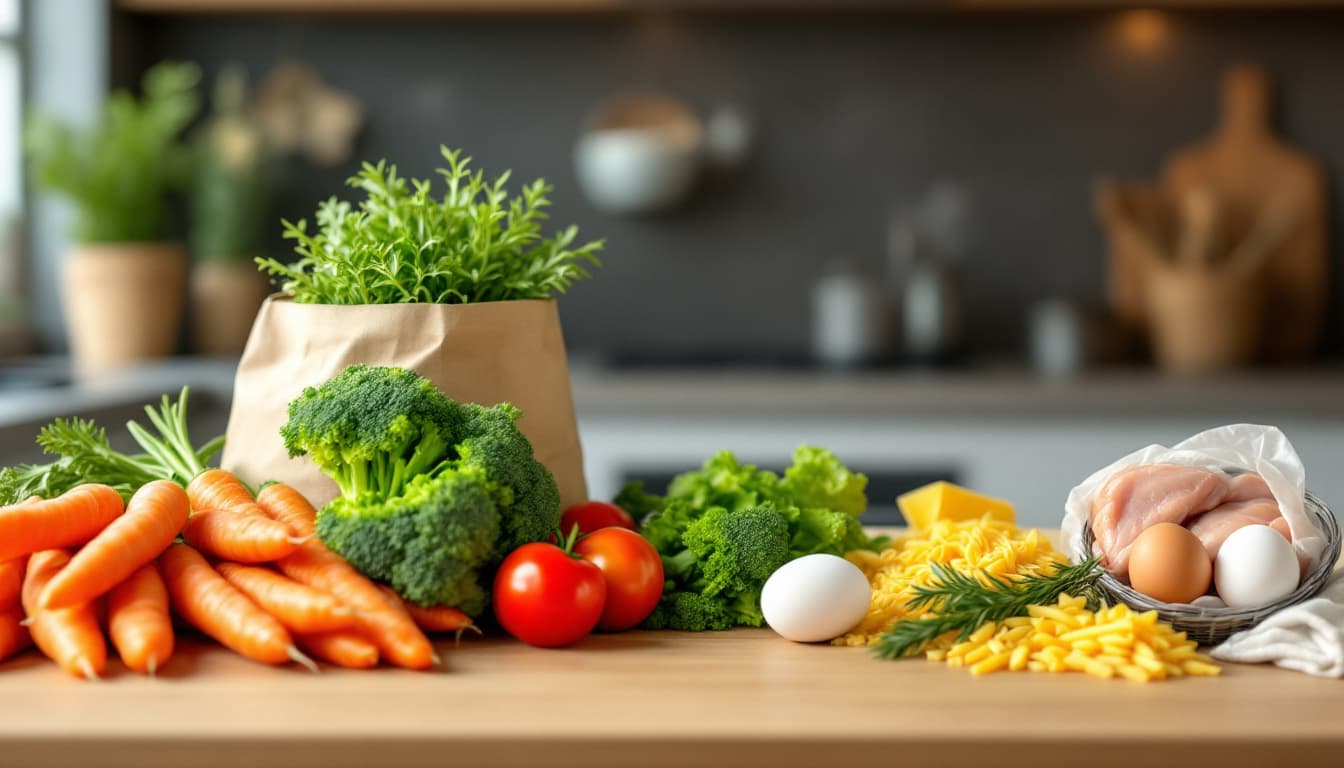
Fresh vegetables and fruit are almost entirely GST-free. The key to maximising your produce budget:
Buy what's in season. Seasonal produce is significantly cheaper and fresher. In winter: pumpkin, cauliflower, leeks, citrus. In summer: tomatoes, zucchini, capsicum, stone fruits.
Shop the loose bin, not the bag. Pre-bagged carrots or apples often cost more per kilogram than buying loose from the bin. Check unit prices.
Use the full vegetable. Broccoli stems are as nutritious as the florets — chop them smaller and use them in stir-fries. Cauliflower leaves can be roasted. Carrot tops make stock. Reducing waste stretches the budget.
Frozen is fine. Frozen peas, corn, mixed vegetables, and berries are GST-free, nutritionally comparable to fresh, and cheaper. Keep a bag of each in the freezer for easy meal additions.
Pantry Staples to Always Have
A well-stocked pantry means you always have the base of a meal:
- Rolled oats (breakfast for $3 a week)
- Tinned tomatoes (bolognese, curry base, soup)
- Dried lentils and tinned chickpeas
- Rice and pasta
- Olive oil, salt, basic spices
- Long-life milk or UHT
All of the above are GST-free. Buy in bulk when on sale — they have long shelf lives.

Breakfast on $2 Per Person
Breakfast is where many families quietly overspend — on cereal, flavoured yoghurt, juices, and toaster pastries that are all taxable. Swap to:
- Rolled oat porridge: ~$0.30 per serve
- Scrambled eggs on toast: ~$1.50 per serve
- Homemade bircher muesli: ~$0.80 per serve
All GST-free, all filling, all under $2 per person. That's $400+ saved per year on breakfast alone for a family of four versus buying branded cereals.
The $100 Week in Practice
It requires planning but not deprivation. The households that consistently achieve it share these habits:
- Plan the week's meals before shopping — no impulse buys
- Write the list category by category and stick to it
- Check the fridge before shopping to avoid duplicating what you already have
- Use the GSTFree tool to verify items before adding them to your basket
The $100 week isn't a one-off achievement. It becomes a system.
Get more tips like this
Join thousands of Australians saving money at the supermarket every week.
Free. No spam. Unsubscribe anytime.